L1: AI Agents
L1: AI Agents
59:42
An AI agent is an entity or system that uses artificial intelligence to perform specific tasks autonomously or semi-autonomously. These tasks may include decision-making, problem-solving, and interacting with the environment based on its goals and perceptions.
In simpler terms, an AI agent is like a "smart" program or system that can:
Observe the world or environment (through sensors or data).
Make decisions based on what it perceives.
Act to achieve its goals (like taking actions or sending messages).
Key Components of an AI Agent :
Perception :
- AI agents sense their environment by gathering data through sensors or input sources (e.g., cameras, microphones, APIs). For example, a robot may use cameras to see its surroundings, while a chatbot might take text input from a user.
Reasoning (Decision-Making) :
- After perceiving its environment, an AI agent processes this data to make decisions. The decision-making process could be simple or complex, depending on the system. It might involve applying rules , using algorithms , or employing machine learning models to decide on the best course of action.
Action :
- The AI agent then takes actions based on its decisions. This could involve physical actions (e.g., moving a robot arm) or digital actions (e.g., sending an email or providing a response to a user).
Autonomy :
- Many AI agents operate autonomously , meaning they can perform tasks without continuous human input. However, some AI agents might require more direct guidance or oversight.
Learning (Optional):
- Some AI agents can learn from their actions and improve over time. This is typically done through machine learning, where the agent adjusts its behavior based on feedback or new data.
Types of AI Agents :
Reactive Agents :
These agents respond to the environment based on predefined rules or inputs without storing past experiences. They react in real-time to stimuli.
Example : A thermostat that adjusts the temperature based on current readings.
Deliberative Agents :
These agents are more complex and reason about the environment. They create plans and strategies to achieve goals, often maintaining a model or memory of the environment.
Example : A chess-playing AI that plans several moves ahead.
Learning Agents :
These agents use machine learning to learn from their experiences. Over time, they adapt their behavior based on feedback from their environment, improving their performance.
Example : A self-driving car that improves its driving decisions based on past experiences.
Multi-Agent Systems (MAS) :
These are systems where multiple AI agents interact with each other, either cooperatively or competitively, to achieve individual or collective goals.
Example : A group of drones collaborating to map an area or perform a task together.
Examples of AI Agents :
Chatbots :
AI agents used for customer support or other forms of communication. They interact with users, understand their queries, and provide relevant responses.
Example : A customer service chatbot answering user questions about a product.
Autonomous Vehicles :
AI agents that navigate the world, process sensor data (e.g., camera, radar), and make decisions to safely drive a car.
Example : Self-driving cars by Tesla or Waymo.
Recommendation Systems :
AI agents that analyze user preferences and behaviors to suggest products, services, movies, etc.
Example : Netflix recommending movies based on your past viewing history.
Robots :
AI agents in the form of physical robots that interact with the real world to perform tasks like assembly, packaging, or even surgery.
Example : Industrial robots in a factory performing repetitive tasks.
How AI Agents Work :
Sense the Environment :
An AI agent first perceives its environment using sensors or inputs.
For example, a robot might sense its surroundings with cameras and LiDAR.
Process the Information :
The agent then uses this data to make decisions using pre-defined rules, algorithms, or machine learning models.
In a self-driving car, the AI might use an object detection model to identify pedestrians, vehicles, and traffic signs.
Take Action :
- Once the agent has made a decision, it will act to achieve its goal. This action could be physical (like moving a robot's arm) or logical (like sending a response in a chatbot).
Learn and Improve (for learning agents):
Over time, many AI agents learn from their experiences. They receive feedback based on their actions and adapt accordingly.
For example, an AI agent used for recommendations may improve its suggestions based on feedback or ratings from users.
Benefits of AI Agents :
Automation : AI agents can automate repetitive tasks, reducing the need for human intervention.
24/7 Operation : They can work continuously without rest, providing services like customer support or data processing at all times.
Scalability : AI agents can easily scale to handle large amounts of tasks or data.
Consistency : They perform tasks in a consistent manner, unaffected by human fatigue or emotions.
Challenges of AI Agents :
Complexity : Developing AI agents, especially those with advanced decision-making or learning capabilities, can be complex and resource-intensive.
Bias : AI agents can inherit biases from the data they are trained on, which could lead to unfair or unintended outcomes.
Ethical Concerns : As AI agents become more autonomous, they raise ethical issues regarding decision-making, responsibility, and accountability, especially in critical areas like healthcare or security.
Transparency : Many AI systems, especially deep learning models, are seen as "black boxes," meaning it’s hard to understand how they make decisions.
Summary :
An AI agent is an intelligent system that perceives its environment, makes decisions, and takes actions to achieve a goal.
AI agents can vary in complexity, from simple rule-based systems to advanced learning agents that adapt and improve over time.
They are used in diverse applications, including chatbots, autonomous vehicles, recommendation systems, and robotics, bringing benefits such as automation, efficiency, and scalability.
However, challenges like bias, transparency, and ethics must be addressed to ensure the responsible deployment of AI agents.
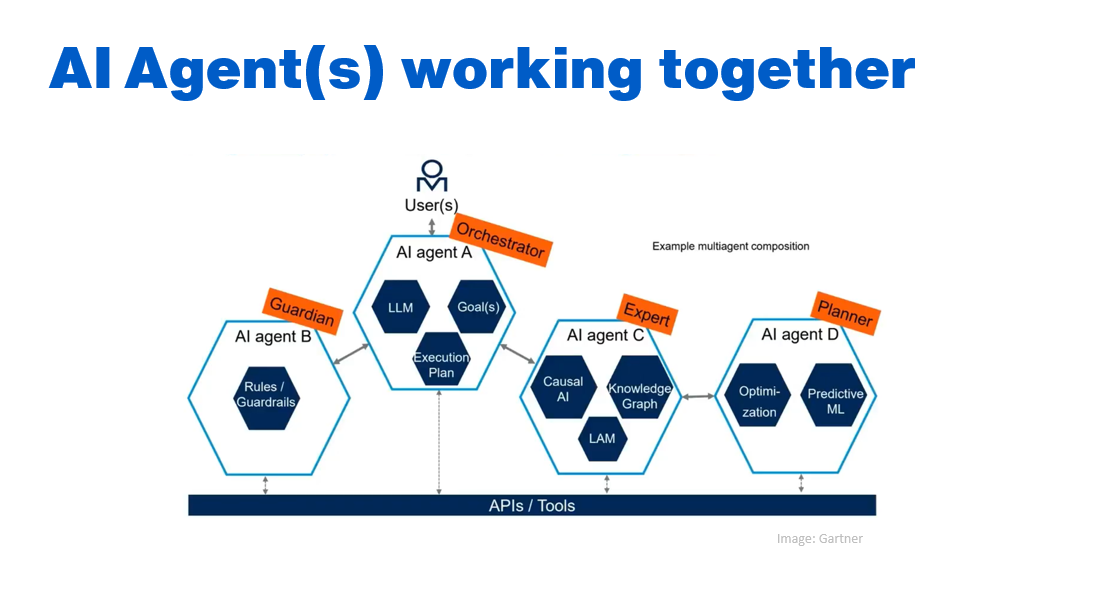
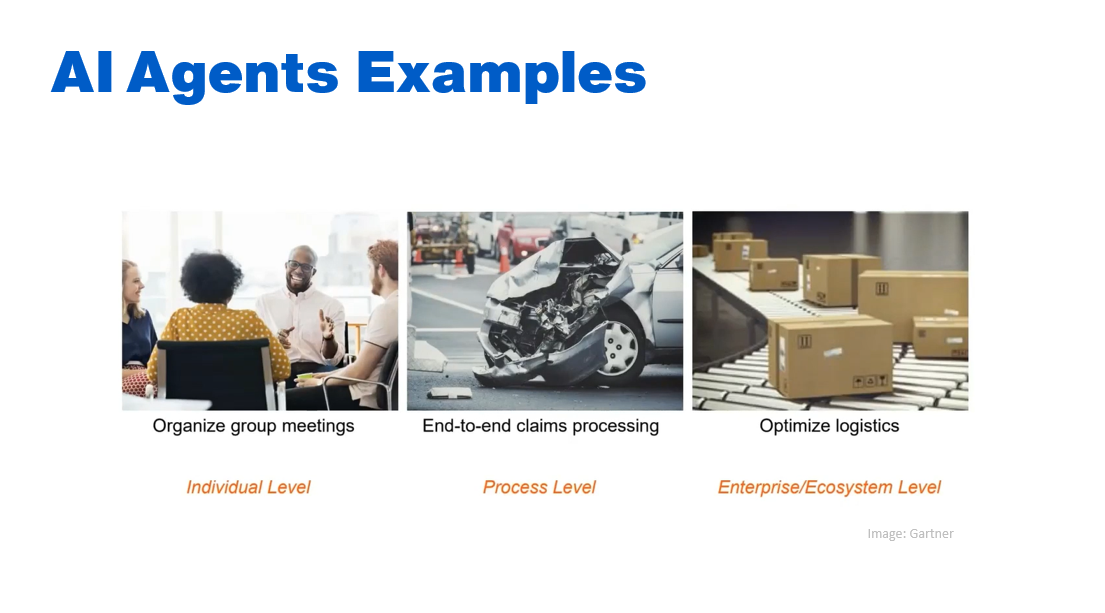
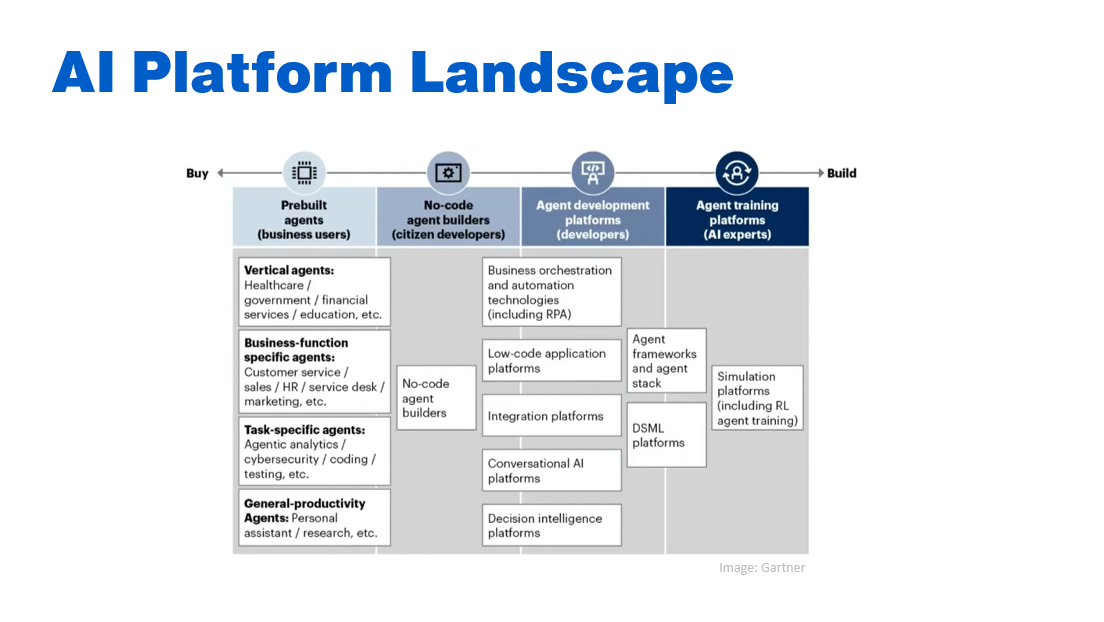
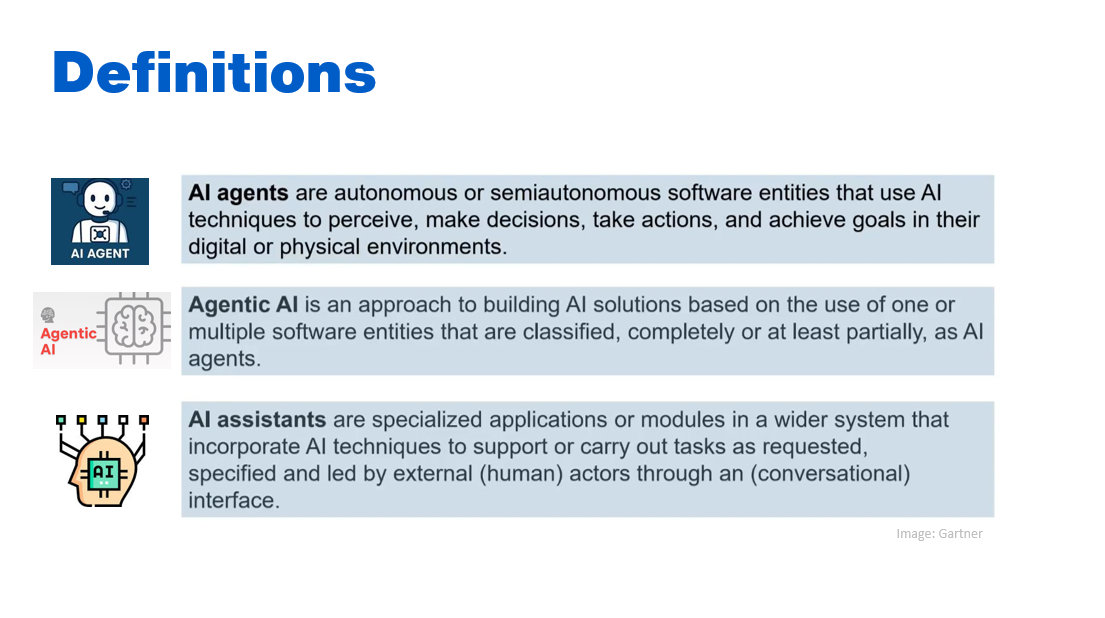
This webinar addresses the growing interest and confusion surrounding AI agents and agentic AI, providing clarity on what they are, how to use them, and when they may not be suitable.
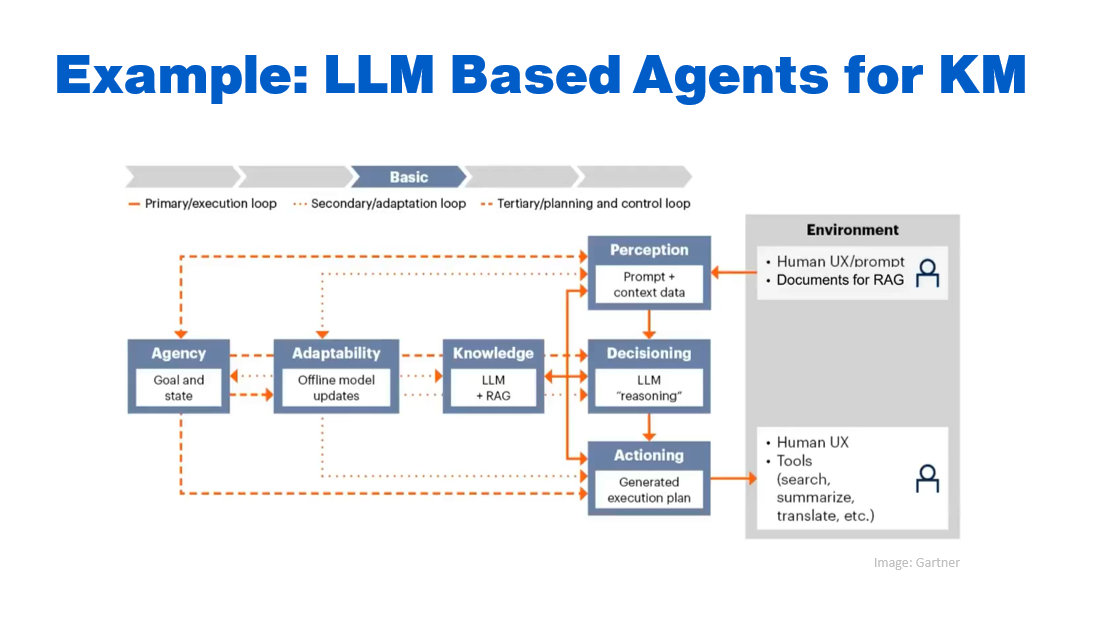
The video begins by explaining AI agents at a high level, detailing their capabilities and how they interact with humans or systems to achieve goals through AI models like large language models (LLMs).
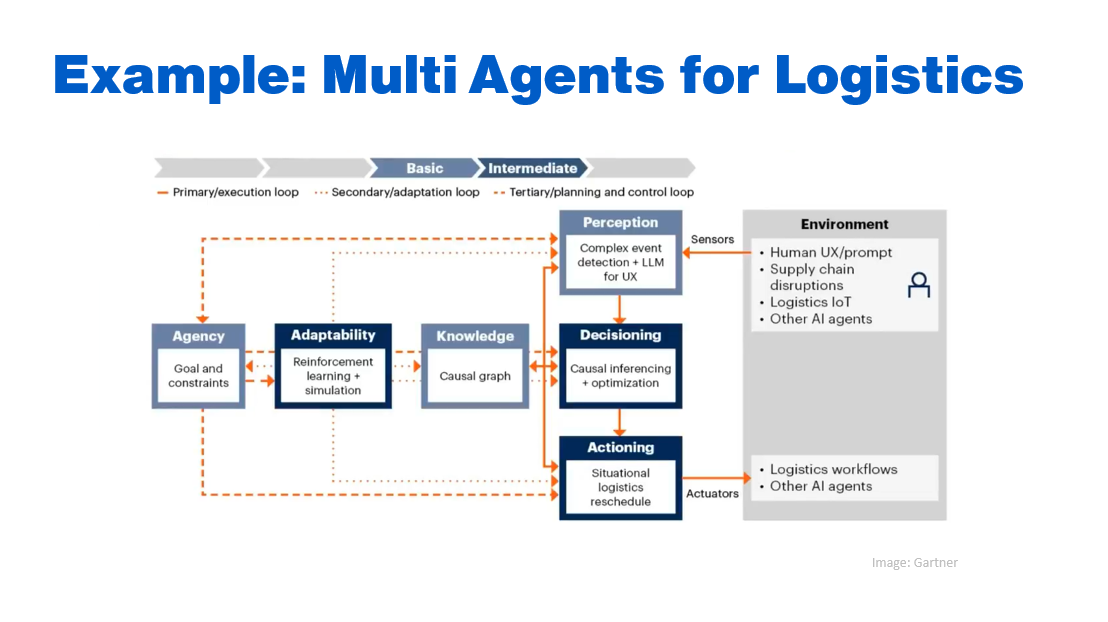
It also covers the concept of multi-agent systems, where multiple agents collaborate to handle complex tasks.
The speaker further explores the practical applications of AI agents at various levels—individual, process, and enterprise.
Real-world examples are shared, such as AI agents being used for automating insurance claims and optimizing logistics in large companies.
The video also discusses the evolving market for AI platforms, from pre-built agents to more advanced, customizable solutions.
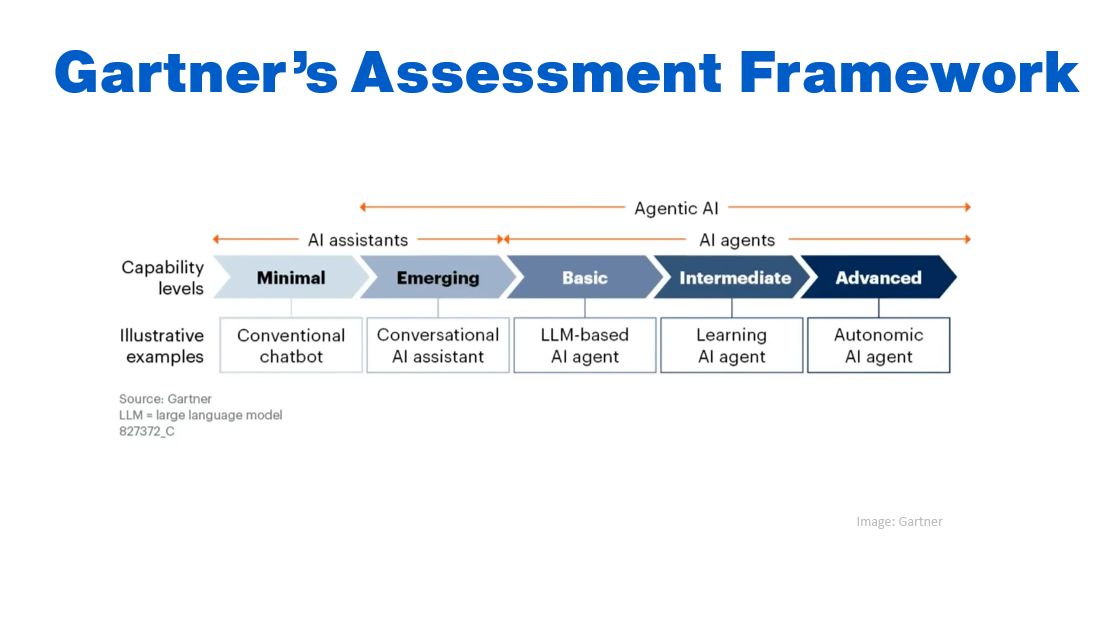
Additionally, the webinar clarifies the difference between AI agents, agentic AI, and AI assistants, providing definitions based on Gartner’s framework.
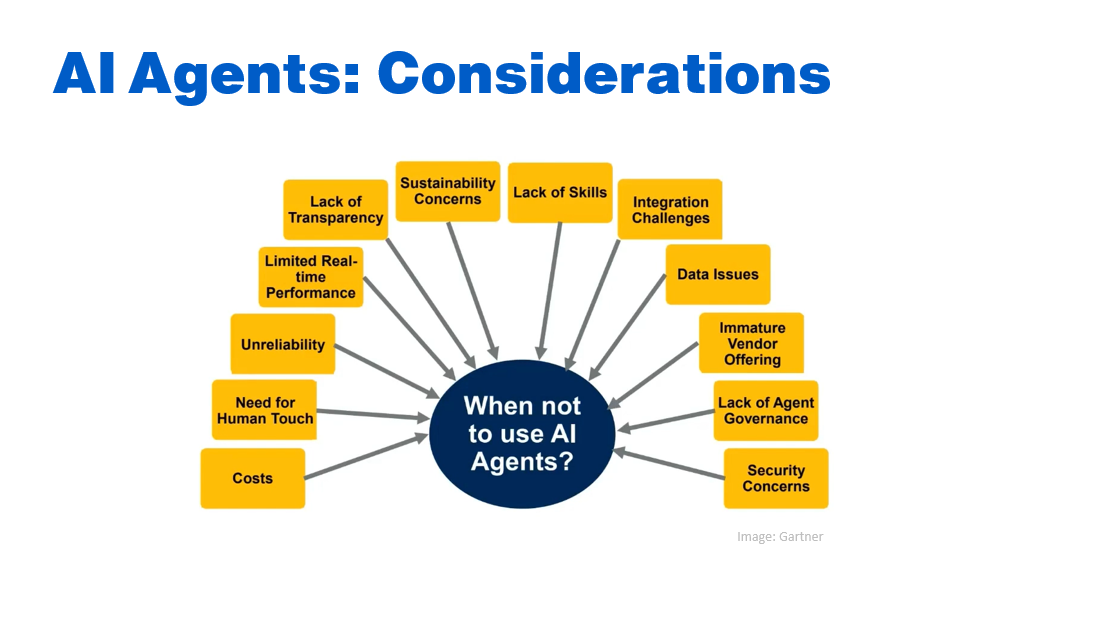
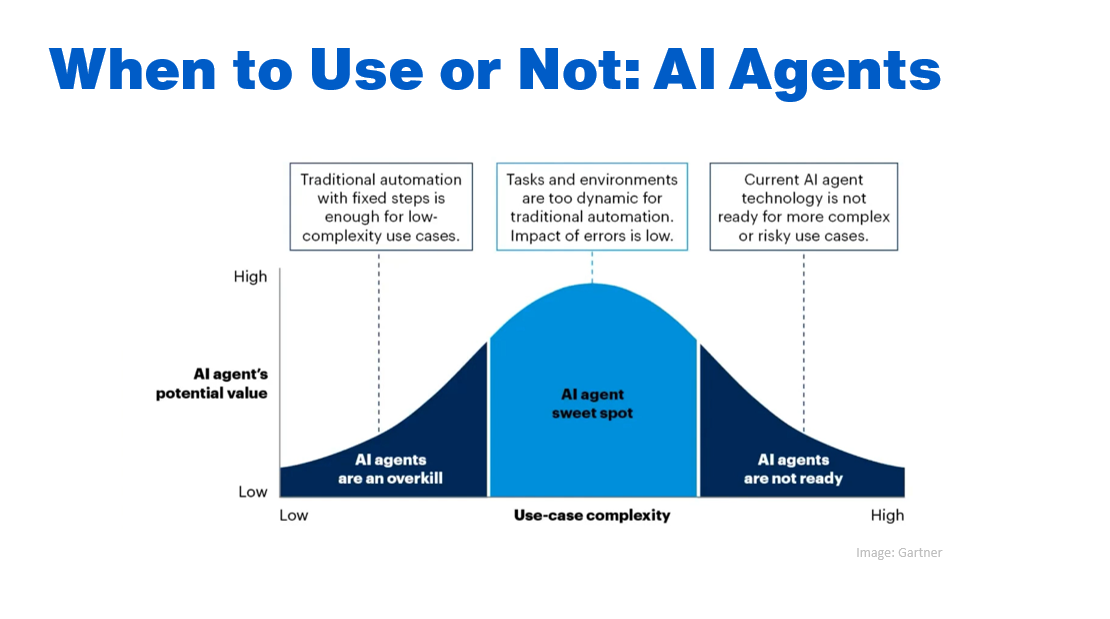
The speaker stresses the importance of using a systematic approach to evaluate whether an AI agent is necessary for a given use case, emphasizing that agents are not always the best solution.
The video concludes with practical advice on selecting the right approach, with recommendations for using frameworks to assess the value and complexity of a use case, and cautions against overhyping AI agents.
Finally, the speaker encourages a balanced view of AI agents, acknowledging their potential while recognizing their limitations.